February 18, 2025 · By James Wheeler
Water-Damaged Drywall in Middle Georgia: When to Repair vs Replace
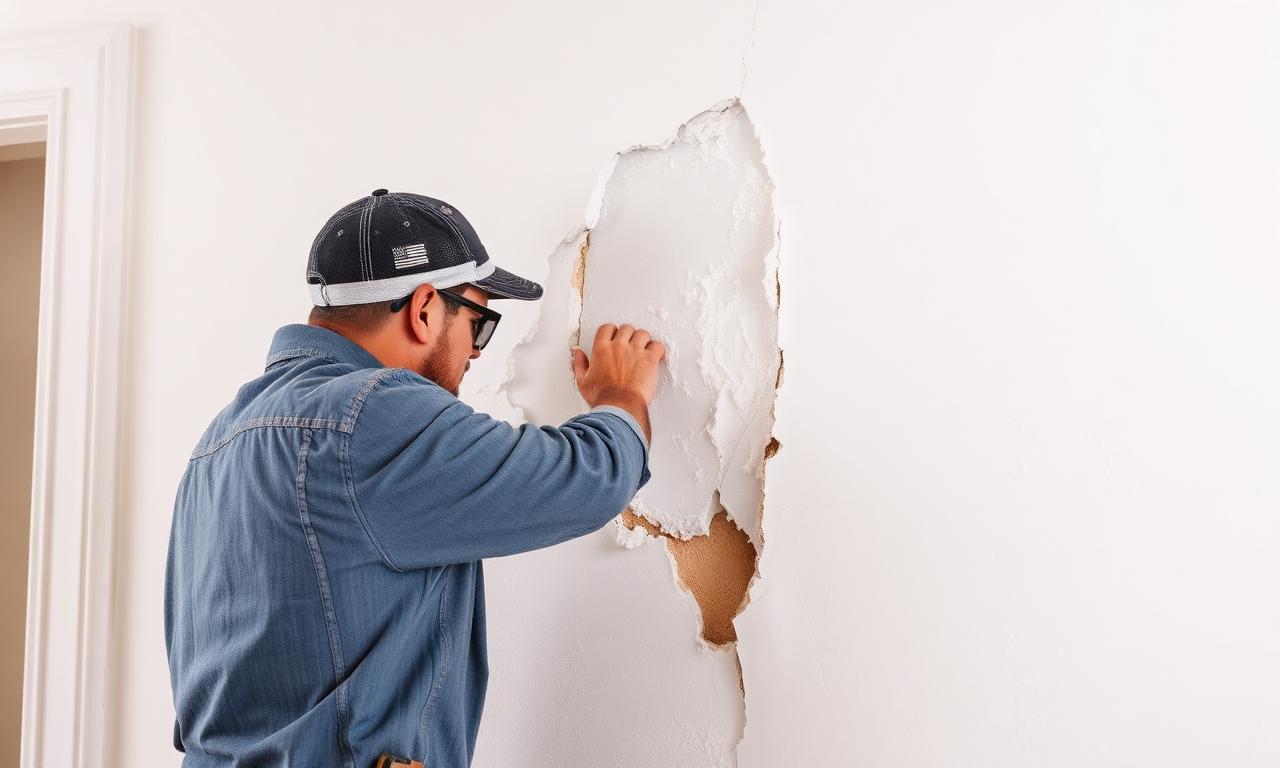
Water and drywall don't get along. In Middle Georgia's humid climate — with hot, wet summers, frequent thunderstorms, and aging plumbing in many older homes — water-damaged drywall is one of the most common repair calls we get. Knowing when a stain is just cosmetic versus when it's hiding mold and structural damage can save you thousands of dollars.
Identifying Water Damage
The first sign is almost always a stain — yellow, brown, or rust-colored on a ceiling or wall. Other signs: bubbling or peeling paint, soft spots when you press the drywall, sagging ceilings, visible mold, and a musty smell. Cracking near a stain often means the drywall has expanded with moisture and contracted as it dried, weakening the gypsum core.
Causes Specific to Middle Georgia
Macon's climate creates several water damage patterns. High summer humidity causes condensation on cold air supply ducts in warm attics, leading to slow drip damage on ceiling drywall. Summer thunderstorms blow rain in around windows that look fine in dry weather. AC condensate lines clog regularly and overflow into ceiling pans below. Plumbing leaks from refrigerator water lines, dishwasher supply lines, washing machine hoses, and second-floor toilet wax rings round out the usual suspects.
Repair vs Replace Decision Matrix
Small, isolated stain with dry firm drywall and no mold smell: usually a repair candidate. Soft spongy drywall: replace. Sagging or bulging drywall: replace immediately. Visible mold: replace and assess the cavity. Damage covering more than 4 square feet: usually more efficient to replace the entire section than to patch.
Mold Risk
Mold can start growing on wet drywall within 24–48 hours, and Middle Georgia's humidity keeps the conditions favorable longer than in drier climates. The paper face of drywall is essentially food for mold. Any drywall that has been wet for more than two days should be assumed to have mold inside the cavity and treated accordingly.
Drying Before Repair
Before any repair starts, the source of the water has to be fixed and the affected area has to be fully dry. We use moisture meters to verify that framing and remaining drywall are below 16% moisture content before we proceed. Trying to patch over still-wet drywall guarantees a repeat problem — and possibly mold trapped behind a sealed wall.
Cost Comparison
Minor surface repair: $150–$300. Patch and texture match (small section): $250–$500. Full section replacement (4×8 sheet area): $500–$900. Full ceiling replacement in an average bedroom: $800–$1,500. Full ceiling in a great room with vaulted ceilings: $2,000–$5,000+.
Health Risks
Mold spores from contaminated drywall can trigger allergies, asthma, sinus infections, and in rare cases more serious respiratory illness. People with compromised immune systems, infants, and elderly residents are at the highest risk. Any visible mold on drywall — even a few square inches — should be addressed by removal, not by painting over it.
How We Handle Water Damage
We come out for a free assessment, use a moisture meter to map the actual extent (almost always larger than the visible stain), document what we find, and give you a written estimate with options. If your Macon-area home has a water-damaged ceiling or wall, give us a call at (478) 555-0100 for a free assessment.
Free Drywall Estimate in Macon GA
Licensed, insured, locally owned since 2008.