June 22, 2025 · By James Wheeler
8 Signs of Hidden Drywall Water Damage in Your Macon Home
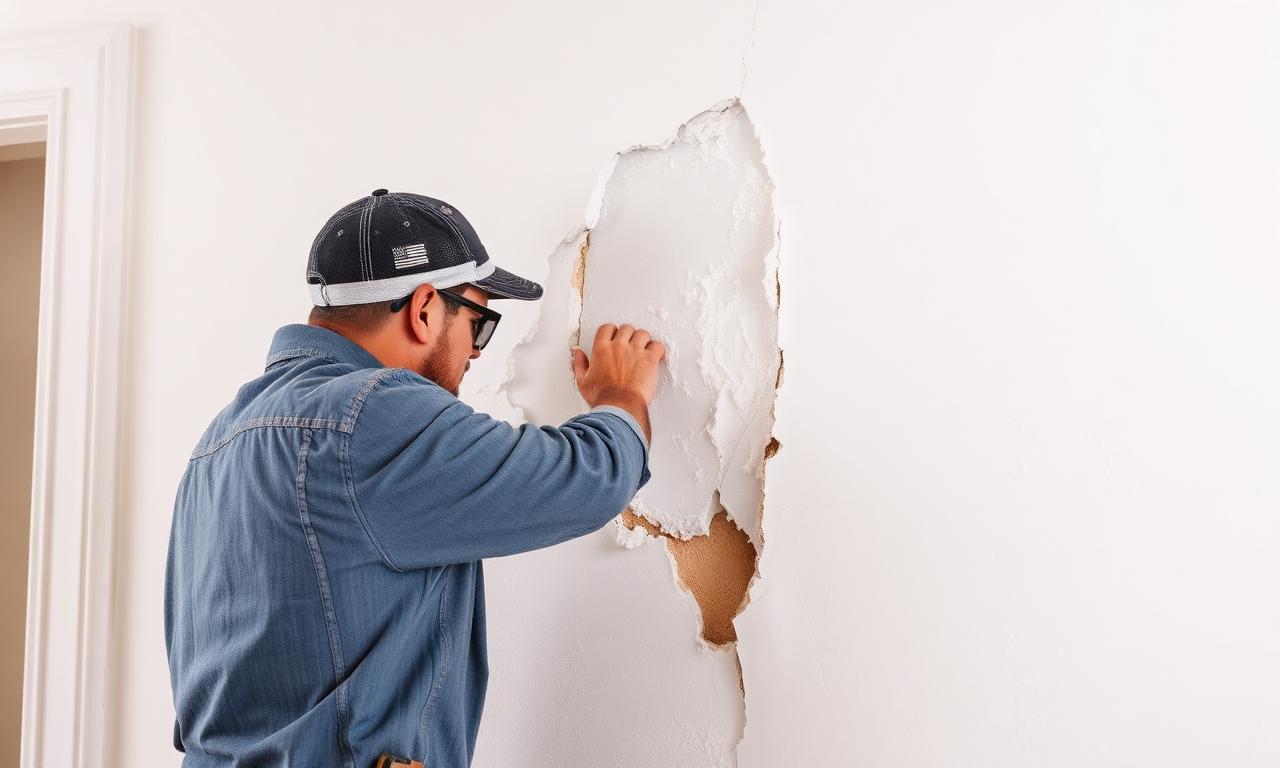
Water damage to drywall is most expensive when it stays hidden. A small leak you catch in week one is a $200 repair; the same leak left for six months is a $2,000 mold remediation. Here are the eight early signs we see most often in Macon homes — catching any of them now can save you thousands later.
1. Discoloration That Wasn't There Last Month
The classic yellow, brown, or rust-colored stain on a ceiling or wall — almost always means water has been there. The stain itself is usually larger than the original wet spot because moisture wicks through the gypsum core and stains the paper face from the back.
2. Bubbling or Peeling Paint
Paint loses adhesion when the substrate is wet. Bubbles, blisters, or peeling along a ceiling line or near a baseboard often signals moisture migrating through the drywall. Touch the paint — if it's spongy or yields under finger pressure, you have wet drywall behind it.
3. A Musty or Mildew Smell
The smell of mold and mildew is unmistakable. If a room smells musty even when it's freshly cleaned, water is getting in somewhere and mold is growing on the back of drywall or inside the wall cavity. Trust your nose — by the time you smell it, mold is already established.
4. Sagging Ceilings
Drywall is heavy; saturated drywall is heavier. A ceiling that has visibly bowed, sagged, or pulled away from a corner is a structural emergency — the board can fall. Sagging means significant water for an extended period and almost always requires full replacement.
5. Cracking Around Door and Window Frames
New cracking near doors or windows can be normal foundation movement on our Middle Georgia red clay — or it can be the wall expanding and contracting from absorbing and releasing moisture. If cracks appear after a heavy rainy stretch and not in dry months, suspect water.
6. Soft Spots When You Press
Press your fingertip into the wall in suspect areas. Healthy drywall is firm. Water-damaged drywall feels soft, spongy, or yields under light pressure. This is one of the most reliable on-the-spot tests for hidden damage.
7. Rust Stains on Drywall Screws or Nails
A brown or red dot in the middle of an otherwise clean wall is a rusted fastener bleeding through the joint compound. Rusted drywall screws indicate either a roof leak above or chronic high humidity. Either way, water is getting somewhere it shouldn't.
8. Higher Than Normal Humidity in the Room
Pick up a $15 hygrometer at any hardware store and check humidity in suspect rooms. Persistent indoor humidity over 60% in an air-conditioned space points to a moisture source — often a slab leak, a slow plumbing leak inside a wall, or AC condensate dripping inside the air handler closet.
What to Do If You Spot Any of These
Find and fix the water source first — leaky pipe, roof flashing, AC condensate line, window flashing, whatever it is. Then call us at (478) 555-0100 for a free water damage assessment. We use moisture meters to map the actual extent of damage (which is almost always larger than the visible signs) and we give you a written repair quote with options.
Free Drywall Estimate in Macon GA
Licensed, insured, locally owned since 2008.