April 18, 2025 · By James Wheeler
How to Patch a Drywall Hole: 5 Methods Ranked by Hole Size
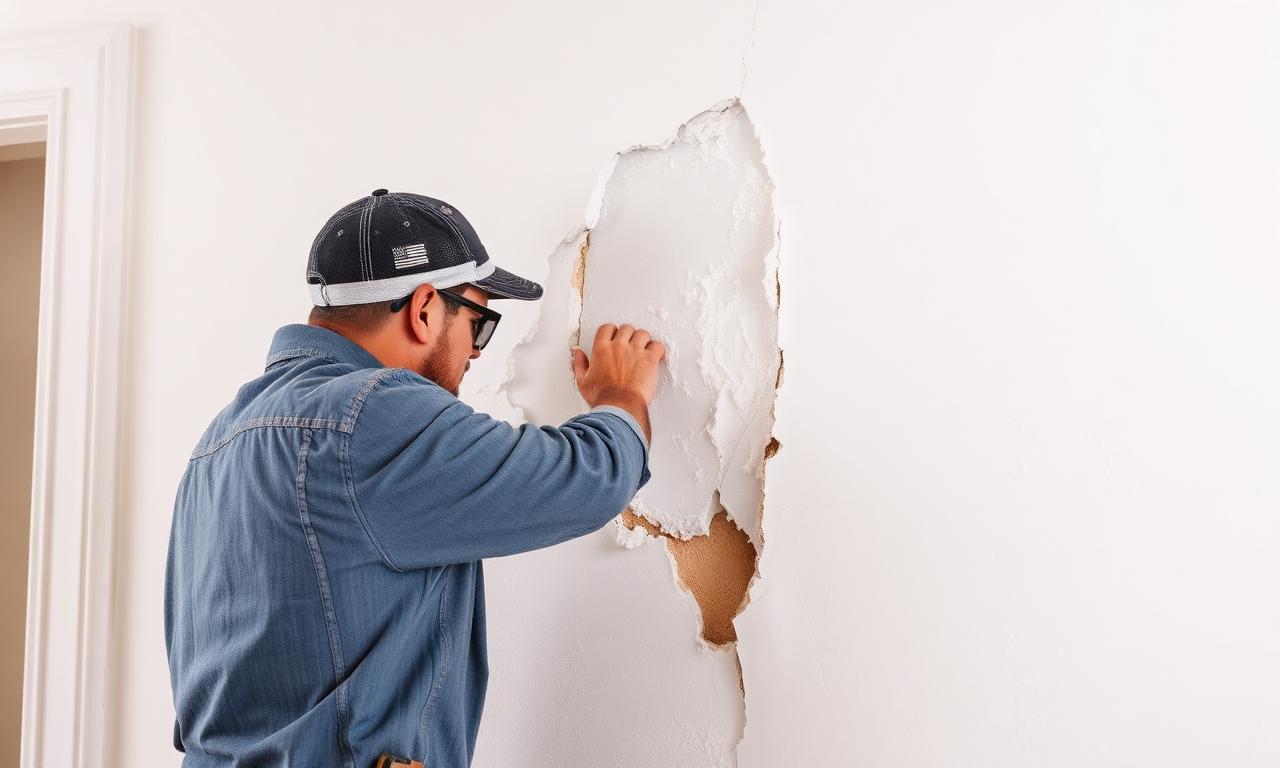
Holes in drywall are inevitable — doorknobs, furniture, kids, pets, plumbers cutting access. The right repair method depends almost entirely on hole size. Use a method that's overbuilt for the size and you'll waste money; use a method that's underbuilt and the patch will fail in a year. Here are the five methods we use at Macon Drywall Contractors, ranked by hole size.
Method 1: Spackle (Holes Under 1/4 Inch)
Nail holes, screw holes, picture-hanger holes. Use lightweight spackle (DAP DryDex turns from pink to white when dry, which is genuinely useful). Apply with a 1" putty knife, scrape flush, let dry 20 minutes, sand lightly, and spot-prime. Total time per hole: about 5 minutes. Cost: pennies. This is the only drywall repair almost any homeowner can do perfectly the first time.
Method 2: Mesh Tape Patch (1/4 to 2 Inch Holes)
Small holes from anchors, door stops, or minor furniture damage. Stick a self-adhesive fiberglass mesh patch over the hole, apply two thin coats of all-purpose joint compound (let the first dry overnight), sand smooth, prime, and texture-match. The mesh provides backing so the mud doesn't push through. Skip the mesh and your patch will crack within months.
Method 3: California Patch (2 to 6 Inch Holes)
A California or 'butterfly' patch uses a piece of drywall slightly larger than the hole, with the paper face left intact and folded as a flange. Cut the hole square, cut the patch with paper flange overlap, score and break the back so the gypsum pops out leaving just the paper, mud the paper flange flat to the wall like tape, then build two more coats over the top. This is the strongest small-hole repair and doesn't require any backing.
Method 4: Backed Patch (6 to 12 Inch Holes)
Doorknob-through-wall holes and similar mid-size damage. Cut a clean rectangle around the damage. Slide two pieces of 1×2 wood inside the cavity, parallel to each other, and screw them to the existing drywall so they bridge the opening. Cut a matching drywall piece to fit the opening, screw it to the wood backing, and finish with tape and mud just like a butt joint.
Method 5: Full Section Replacement (Over 12 Inch Damage)
For anything larger than a basketball, cut back to studs on either side of the damage so you can screw new drywall to existing framing. Cut a piece of new drywall to fit the opening exactly, screw it to the studs at 8" on center, tape all four seams, three coats of mud, sand, and texture-match. This is also the right method when the damage extends to the corner of a wall.
Matching Texture After the Patch
Texture matching is harder than the patch itself. Orange peel needs a small hopper gun and the right air pressure; knockdown adds a wider trowel knockdown step; skip trowel is hand-applied with a small hawk and trowel. Test on cardboard first. Most DIY texture repairs end up obviously different from the surrounding wall — which is why this is one of the most common things we get called in to fix after homeowners try first.
Priming and Painting
Always prime over any repair, even small ones. Bare mud absorbs paint differently than the surrounding painted wall and creates a 'flashing' patch that's obvious in any light. Use a PVA drywall primer or a stain-blocking primer if the damage was water-related. Then paint the entire wall corner-to-corner — not just over the patch — for a seamless result.
When to Call a Pro
Call us for any ceiling repair, any wall under raking light, any water-damaged area larger than a couple of inches, any plaster repair, and any time the texture is critical to match. A small repair from Macon Drywall Contractors typically runs $125–$300 fully completed including texture and primer. Call (478) 555-0100.
Free Drywall Estimate in Macon GA
Licensed, insured, locally owned since 2008.